plekton — Synthetic Graph & Spectral Sparsification Library
GNN benchmarking has a recurring problem: most "standard" benchmark datasets are too small, too clean, and structurally too similar to one another. When you tune a model on Cora or CiteSeer, you often end up fitting dataset-specific quirks rather than testing how an architecture responds to graph structure.
plekton is a pure-Rust library with zero-copy Python bindings (PyO3) built to make controlled graph benchmarking fast and reproducible. It combines synthetic graph generation, stochastic blockmodel fitting, structural metrics, and spectral sparsification in a single engine.
Why Rust with Zero-Copy Python Bindings?
Graph generation, structural analysis, and spectral sparsification at scale are CPU-bound and naturally parallelizable. Python's GIL turns repeated parameter sweeps into a bottleneck. Implementing the computational core in pure Rust eliminates GIL overhead while exposing zero-copy NumPy / PyTorch Geometric interfaces so empirical research pipelines stay ergonomics-first in Python.
Core Capabilities
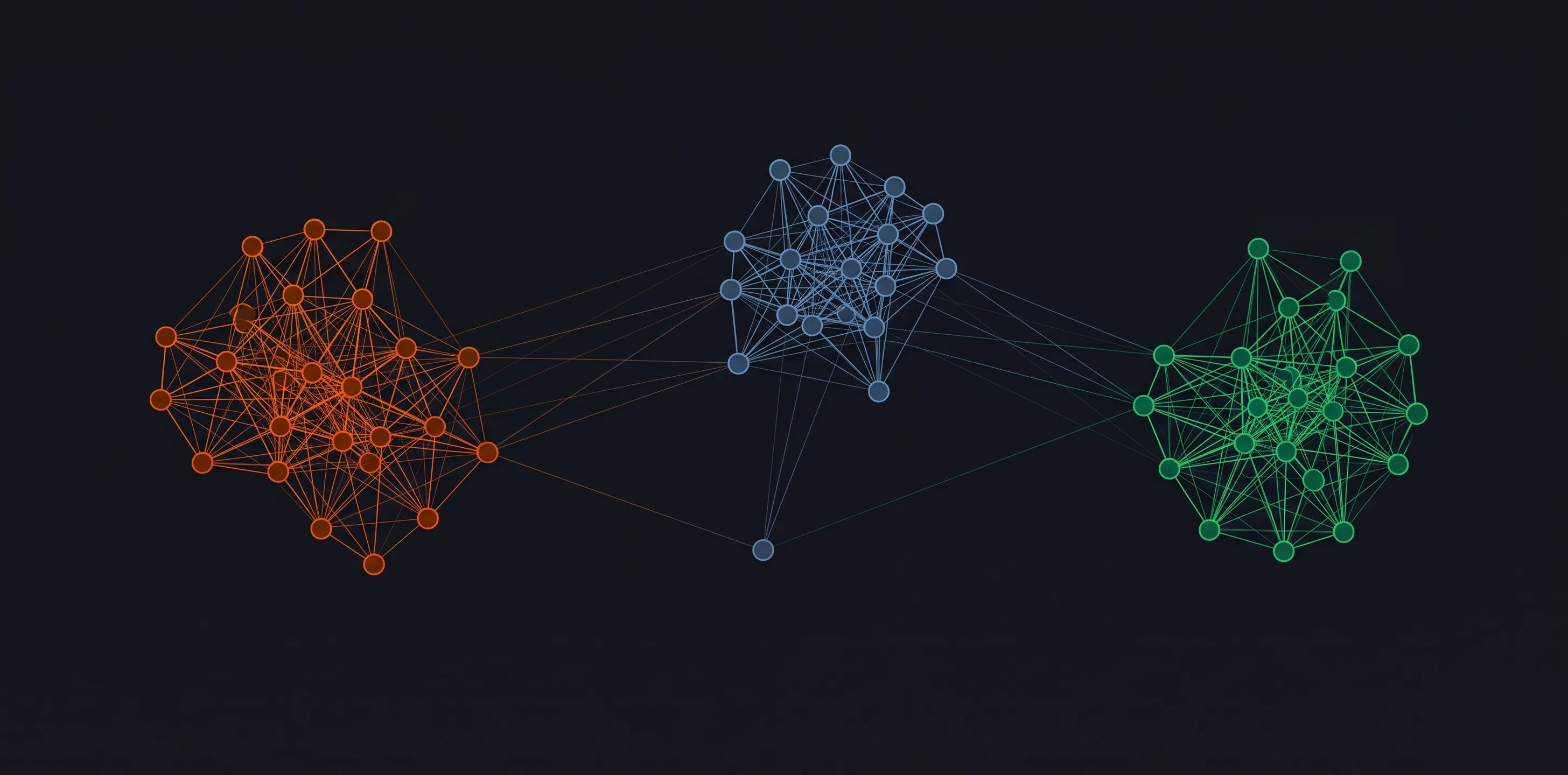
- Synthetic Graph Models: Stochastic Block Model (SBM), Degree-Corrected SBM (DC-SBM), and Contextual SBM (cSBM) with explicit control over homophily, degree heterogeneity, and feature signal-to-noise ratio.
- Blockmodel Fitting & Structural Metrics: Fit blockmodels to empirical graphs and compute structural diagnostics directly in Rust to characterize topology before and after graph interventions.
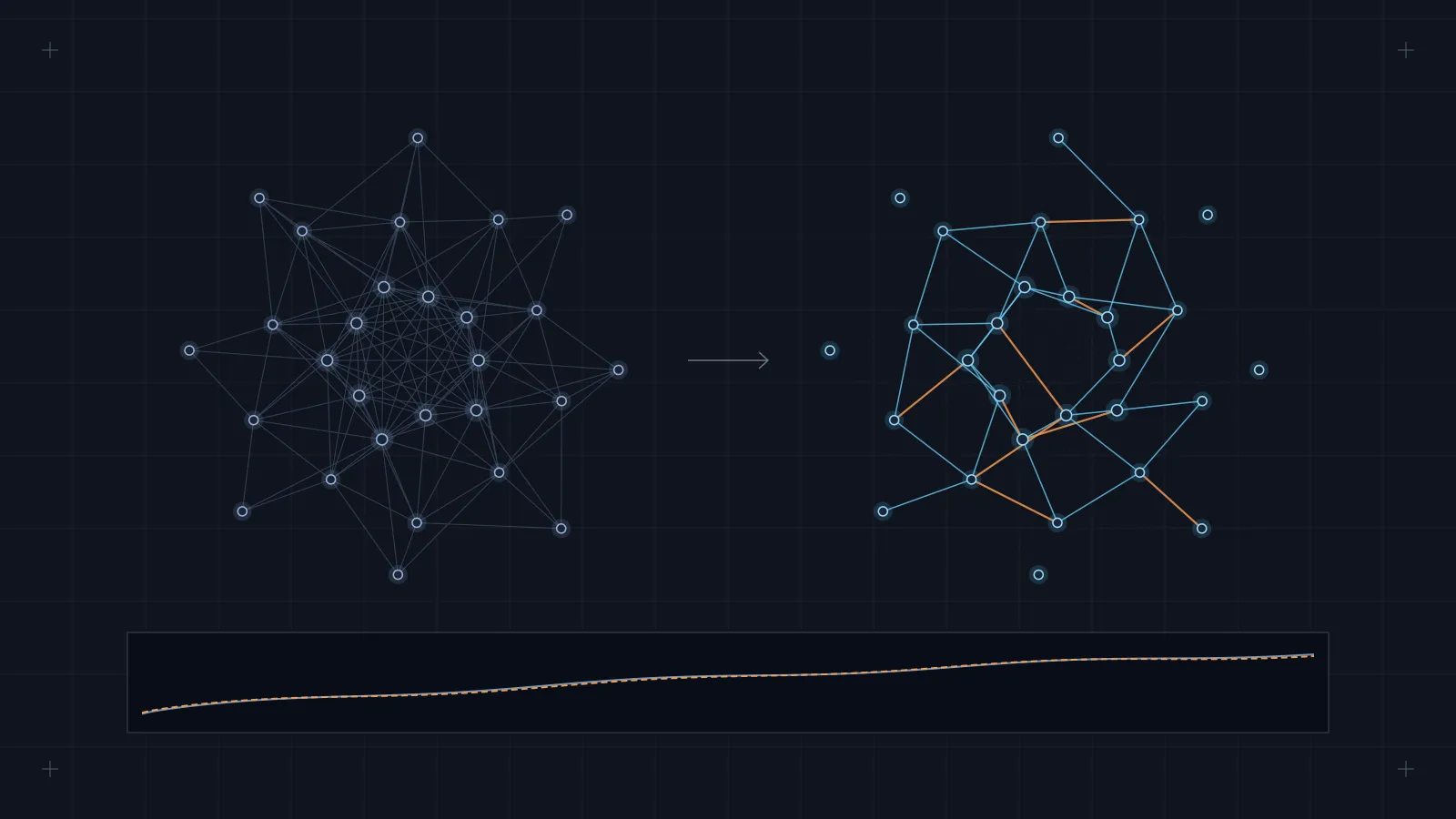
- Spectral Sparsification: Reduce edge density while preserving spectral and structural properties for scalable GNN training and ablation studies.
Key Controls
| Parameter | What it controls |
|---|---|
n_nodes | Graph scale |
n_classes | Number of communities |
p_in / p_out | Homophily ratio |
degree_seq | Degree heterogeneity (DC-SBM) |
feature_snr | Feature signal-to-noise ratio (cSBM) |
Role in My Research
plekton grew out of my graph sparsification research at LAMA (Université Gustave Eiffel). Evaluating whether edge-removal methods preserve GNN accuracy requires sweeping across known homophily regimes and controlled topologies without being confounded by idiosyncrasies of a handful of citation graphs.